Write a comment

Liposuction is a plastic surgical procedure aimed at removing fat deposits from specific areas (or multiple areas) of the body, such as the abdomen, thighs, or buttocks. Liposuction is also known as "liposculpture" because it is recommended for patients with normal weight to improve body contours and proportions. Liposuction is not a treatment for obesity - it targets localized fat deposits resistant to diet and exercise. The amount of fat that can be safely removed is limited. Removing too much fatty tissue can result in indentations or irregularities on the skin.
Both slim and curvy women have almost the same number of fat cells (adipocytes), but these cells differ in volume: in terms of their water and fat content. Adipocytes do not divide, which is why if a portion of these cells is removed from a specific area, their number will not be restored. This is the essence and durability of the effect of liposuction. However, it is important to understand: you can gain weight again after fat removal in other areas if you do not adhere to the principles of proper nutrition and an active lifestyle.
Indications for Liposuction
Liposuction is recommended for patients who typically have stable body weight but would like to remove unwanted subcutaneous fat deposits in specific areas. These fat traps may have appeared due to hormonal changes, poor dietary habits, a sedentary lifestyle, etc. The most common areas for such deposits are the abdomen, waist, thighs, back, buttocks, shoulders, chin, and neck.
Additionally, liposuction can be used to eliminate fat deposits in the male chest (gynecomastia).
The best candidates for this procedure are individuals with good skin elasticity, muscle tone, overall health, and without obesity.

In the video: Liposuction with the formation of a sports abdomen, changing the shape and size of the buttocks by transferring the lateral apex upward using lipofilling
Fat Harvesting and Injection Areas
The diagram below shows the layout and approximate size of fat harvesting (liposuction) and injection (lipofilling) areas.

Diagram Explanation
Liposuction Areas:
1,2 - Abdominal liposuction
3,4 - Flank liposuction
5,6 - Lower back liposuction
7,8 - Subscapular back liposuction
9,10 - Outer thigh liposuction
11,12 - Inner thigh liposuction
13,14 - Knee liposuction
15,16 - Calf liposuction
17,18 - Arm liposuction
19 - Chin, neck, and jowl liposuction
20 - Buffalo hump liposuction
Lipofilling Areas:
1,2 - Breast lipofilling
3,4 - Hand lipofilling
5,6 - Buttock lipofilling
7,8 - Hip contour lipofilling
Facial lipofilling (cheeks, cheekbones, under-eye area, temples, chin, jawline)
BBL Liposculpture "Waist-Buttocks": liposuction of areas 1-6, 9,10 + lipofilling of areas 5,6
Types of Liposuction, Technique Features
Tumescent Liposuction
This is the safest, most effective, and widely used method. It is recognized as the best liposuction method and has the fewest complications compared to laser and ultrasonic techniques.
Technique: Before inserting the cannula, Klein solution is injected into the adipose tissue, providing anesthesia, narrowing all blood vessels, and almost completely eliminating hematoma. Fat removal is performed using PAL vibro-cannulas, which break down fat much more evenly than traditional liposuction, which simply sucks out fat. Liposuction is not done completely to zero. To create a beautiful smooth line without bumps, it is necessary to leave a part of the layer of adipose tissue (about 40% of the original amount of fat).
Modern tumescent liposuction techniques are so minimally invasive that patients can return to work the next day. The effect intensifies with each passing week, reaching its peak after several months.
Duration of the operation: depends on the number of areas. Usually 1.5-2 hours.
Anesthesia. Tumescent liposuction is performed under general anesthesia

Photo before and after: Tumescent Liposuction, Lipofilling, and Abdominoplasty
Dry Liposuction
A cannula connected to a suction device is inserted into the adipose tissue.
Disadvantages: Simultaneously with damaging and aspirating adipose tissue, blood and lymphatic vessels are damaged, which is the cause of postoperative hematomas and seromas.
Combined Thermal Techniques
Laser, ultrasonic liposuction utilizes the principle of destroying fat cells using the physical properties of laser and ultrasound, simultaneously with mechanical tissue damage.
Advantages: Thermal exposure not only destroys fat cells but also coagulates all surrounding tissues including blood vessels, causing mild skin tightening simultaneously. Unfortunately, the main advantage of tissue heating becomes a major disadvantage, resulting in the formation of subcutaneous scars (nicely called "new collagen") in large and small burns. The effect is comparable to mesotherapy with sodium deoxycholate (Aqualyx preparation). Such a method is used for small volumes of liposuction.
Read more: Contour deformity After Liposuction: What to Do?
Combination with Other Surgeries
Abdominal liposuction can be combined with almost any surgeries that do not require extensive intervention. In my practice, I often combine 360 liposuction with lipofilling (liposculpture) and rib reshaping, complementing them with corset wearing, diet, and exercise. In this case, there is an opportunity not only to remove local fat traps on the lower back and make the buttocks more rounded, but also to reduce the waist circumference. Rib reshaping (controlled fracture of the lower ribs) is suitable for girls with a wide chest frame and minimal fat layer, when liposuction does not provide the desired result.
Contraindications to Liposuction
Like any other surgery, liposuction has a number of contraindications, including:
- diabetes mellitus
- coagulation disorders
- pregnancy and lactation period
- severe somatic diseases (diseases of internal organs)
- thrombophlebitis (varicose vein enlargement in the area of the planned surgery)
- recently undergone surgeries in the area planned for liposuction
- oncological diseases.
Rehabilitation, Postoperative Period
The recovery period after liposuction is relatively short and painless.
-
Hospital Stay. In most cases, patients go home the same day or the next day
-
Pain Sensations. As anesthesia wears off, discomfort and pain in the area where fat tissue was removed may increase. This is a normal process, and discomfort and pain gradually subside. Sensitivity disturbances in the intervention area may occur due to nerve damage and are considered normal. Sensitivity usually returns within a few weeks. In case of severe pain, the doctor prescribes pain relievers
-
Bruising and Swelling. After the operation, bruises are most pronounced on the 2nd-3rd day, as well as swelling, and starting from the 4th day, swelling gradually subsides. Swelling and bruises completely disappear within 2-3 weeks, superficial bruises are no longer visible after 5-15 days. A slight asymmetry or irregularity in the contour may occur, which usually disappears along with the swelling.
-
Compression Garments. Compression garments are worn immediately after the operation and should be worn for at least 2-3 weeks.
-
Physical Activity and Sports. Should be limited for 1 month after the operation
-
Avoid visiting saunas, baths, tanning beds
The first evaluation of the results of liposuction is recommended no earlier than 2 months after the medical intervention.
The effect of liposuction intensifies over the course of 6 months depending on the individual characteristics of the patient and proper postoperative care.
Duration of Results
Since the number of fat cells in the areas where fat is removed becomes significantly less, no additional volume will accumulate in these areas in the future.
The result is lifelong, but only with stable weight! If you do not monitor your weight and diet, an increase in volume is possible due to the remaining fat cells.


Frequently Asked Questions About Liposuction
Does fat reappear in the areas where liposuction was performed?
How many liters of fat can be removed in one operation?
How to avoid the appearance of lumps and unevenness during liposuction?
How can you correct irregularities after liposuction?
Age restrictions for liposuction?
At what body mass index is liposuction contraindicated?
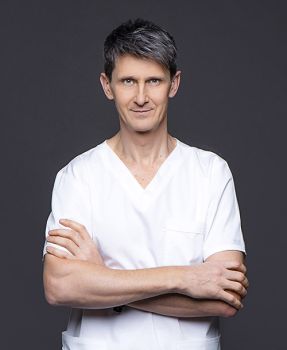
Content author - plastic surgeon Valentyn Zykov
- Practicing surgeon since 1998
- I perform more than 500 operations a year
- Laureate of the 21st national program "Person of the year"
- I operate in Poland (Warsaw) and Greece (Athens)