Write a comment
Abdominoplasty or "tummy tuck" is a type of plastic surgery focused on correction of the abdominal area with the help of removal of strongly slacked areas of skin and excessive subcutaneous fatty deposits as well as reinforcement of weakened abdominal muscles.

Photo: Result of mini abdominoplasty after 3 months
This surgical intervention is a rather complex procedure and therefore it is done in case of real indications for it. If changes of the shape of abdomen are irreversible and slacked skin “apron” both spoils the look of a person and creates psychological and hygienic problems, professional intervention of a plastic surgeon becomes vitally needed.
Indications for doing abdominoplasty:
-
Formation of excessive skin and fat folds in the abdominal area. Such situation may emerge when a person sharply loses weight due to health problems or special diets and insufficient elasticity of skin makes it impossible to restore the shape of abdomen and it “slacks” in the form of an ugly skin “apron”.
-
Multiple and strongly expressed stretches (striae) formed in the area of abdomen. Formation of striae takes place in case of fast and strong stretch of skin and is caused by multiple micro traumas of skin in the areas of maximal stretching. While having bright cyanotic or whitish striate shape, they make the body looking very unaesthetic. They may emerge in case of active weight gain, increase of abdomen in pregnant women or in genetic predisposition towards stretches. Methods of treatment of them are usually inefficient and scalpel of a surgeon becomes the only opportunity to get rid of them.
-
Large and noticeable post-surgical cicatrices. Formation of them can be caused by various reasons from postoperative complications to individual regenerative properties of skin.
-
Weakening and separation (diastasis) of muscles of anterior abdominal wall. This process which makes one’s figure deformed quite often takes place along with excessive stretching of skin of the abdomen and is caused by the same reasons. As a result, it gives undesirable changes of shape of the waist.
-
Presence of umbilical or groin hernia.
Of course, necessity of application of abdominoplasty in each particular case is determined at consultation with a plastic surgeon and is accompanied with full medical examination of the patient in a fulltime hospital stay.

Photo: Abdominoplasty, liposculpture with sculpting of athletic abdomen after 1 month. More than 20 cm of skin removed. The patient did not perform exercises to shape the abs, weight before and after surgery is the same
Contraindications
Like any type of surgical intervention, plastic surgery to correct the abdominal area has its contraindications. Abdominoplasty is not performed:
- In the presence of diabetes mellitus in the patient;
- In cases of severe obesity;
- In certain blood disorders;
- If there are scars in the supraumbilical area;
- In cases of heart failure;
- If there are infectious problems in the operated abdominal area;
- During menstruation.
Types of Abdominoplasty and Their Features:
1. Endoscopic
This is the least traumatizing type of plasty of abdomen. It is applied if there is weakening and small separation of muscles of anterior abdominal wall, yet the skin preserved its turgidity. Correction of muscular structure is made with the help of small incisions in lower abdomen and endoscopic instruments. The period of operation lasts for about one or two hours.

2. Mini abdominoplasty (Mini tummy tuck)
This type of plastic surgery is the most optimal by complexity and aesthetic effect. It is applied in case of insignificant slacking of skin and fatty fold and presence of multiple striae as well as: in case of small separation of abdominal muscles, umbilical and groin hernia and having no need to relocate the umbilicus.
Surgical intervention lasts for two or three hours. It includes an incision of skin on the line of fold in lower abdomen above the pubis and dissection of slacking skin and fatty tissue. In case of small diastasis of muscles, reinforcement of them takes place and hernias are removed if necessary. This type of plasty is sometimes combined with liposuction. Local or epidural anesthesia is applied for it.Mini abdominoplasty is a sparing type of plasty.. It gives an excellent aesthetic effect and has a relatively small rehabilitation period. Operational suture heals rather quickly and mainly with no complications while leaving practically unnoticeable fine cicatrix.
3. Extensive abdominoplasty
This is the most complicated type of plasty of abdomen. It includes dissection of a substantially slacking skin and fatty fold, removal of hernias, strengthening of muscles of anterior abdominal wall with expressed diastasis, restoration of shape of the waist, translocation and fixing the umbilicus. Surgery takes place in several stages and lasts 4-5 hour on average with application of general narcosis.
Rehabilitation after tummy tuck
Length of the period of rehabilitation and restoration after abdominoplasty depends on complexity of surgical intervention, individual specificities of the organism and soundness of observation of recommendations of a doctor by the patient.
Endoscopic plasty and mini abdominoplasty presume a small period of rehabilitation. The patient may leave the clinic in 1 day after surgery and restoration of his / her capacity to work takes place in three weeks.
After extensive plasty of the abdomen, restoration takes longer time and requires special meticulousness of care after post-surgical suture.
On the first day of surgery, the patient stays in the intensive care unit under continuous observation of specialists. Then he/she is transferred to a regular ward of the full-time hospital where he/she stays for two or three days. Further rehabilitation takes place under domestic conditions with regular visits to the doctor. Removal of drainage tubes takes place as early as in 1-2 days. The patient may return to work in a month after surgery unless it is connected to physical efforts.
It is very important to dose physical efforts in the post-surgical period and keep to the right regimen of nutrition. It is necessary to wear special compression garments after surgery or a corset for fixation of muscles and tissues of the abdomen in the first two-three months after abdominoplasty. When all recommendations of the doctor are observed, visible aesthetical effect from abdominoplasty will occur, on average, in half a year since the moment of operation.
Hospital Stay: The patient spends the first day after the surgery in the intensive care unit under constant supervision of specialists. Then, they are transferred to a regular hospital room, where they stay for two to three days. Further rehabilitation takes place at home.
Drain Removal: Usually done within 1-2 days.
Work and Physical Activities: If the work does not involve physical exertion, the patient can usually return to work approximately one month after the surgery. It's crucial to carefully manage physical activities and maintain a proper diet during the postoperative period.
Postoperative Stitches: Proper care of the postoperative wound is essential for all types of abdominoplasty. Special gels and ointments combined with physiotherapy procedures can effectively influence the scar formation process, promoting rapid wound healing and elasticity of the forming scar. Various applicators soaked in healing and restorative medications are also very effective in scar care. However, any procedures and medications should be prescribed by a doctor. Self-medication in this case can be dangerous.
Bruising, Swelling, and Hematomas: Usually subside within 1-2 months.
Compression Garment: Special compression garments or corsets are necessary to be worn for the first 2-3 months after abdominoplasty to support the abdominal muscles and tissues.
Results: With adherence to all doctor's recommendations, noticeable aesthetic effects of abdominoplasty typically occur approximately six months after the surgery.
It is not recommended to undergo such surgery for women planning pregnancy within the next 1-2 years.
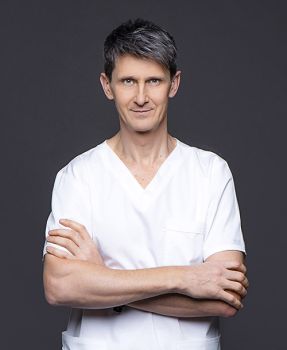
Content author - plastic surgeon Valentyn Zykov
- Practicing surgeon since 1998
- I perform more than 500 operations a year
- Laureate of the 21st national program "Person of the year"
- I operate in Poland (Warsaw) and Greece (Athens)